Gas Leak Repairs in Ashgrove
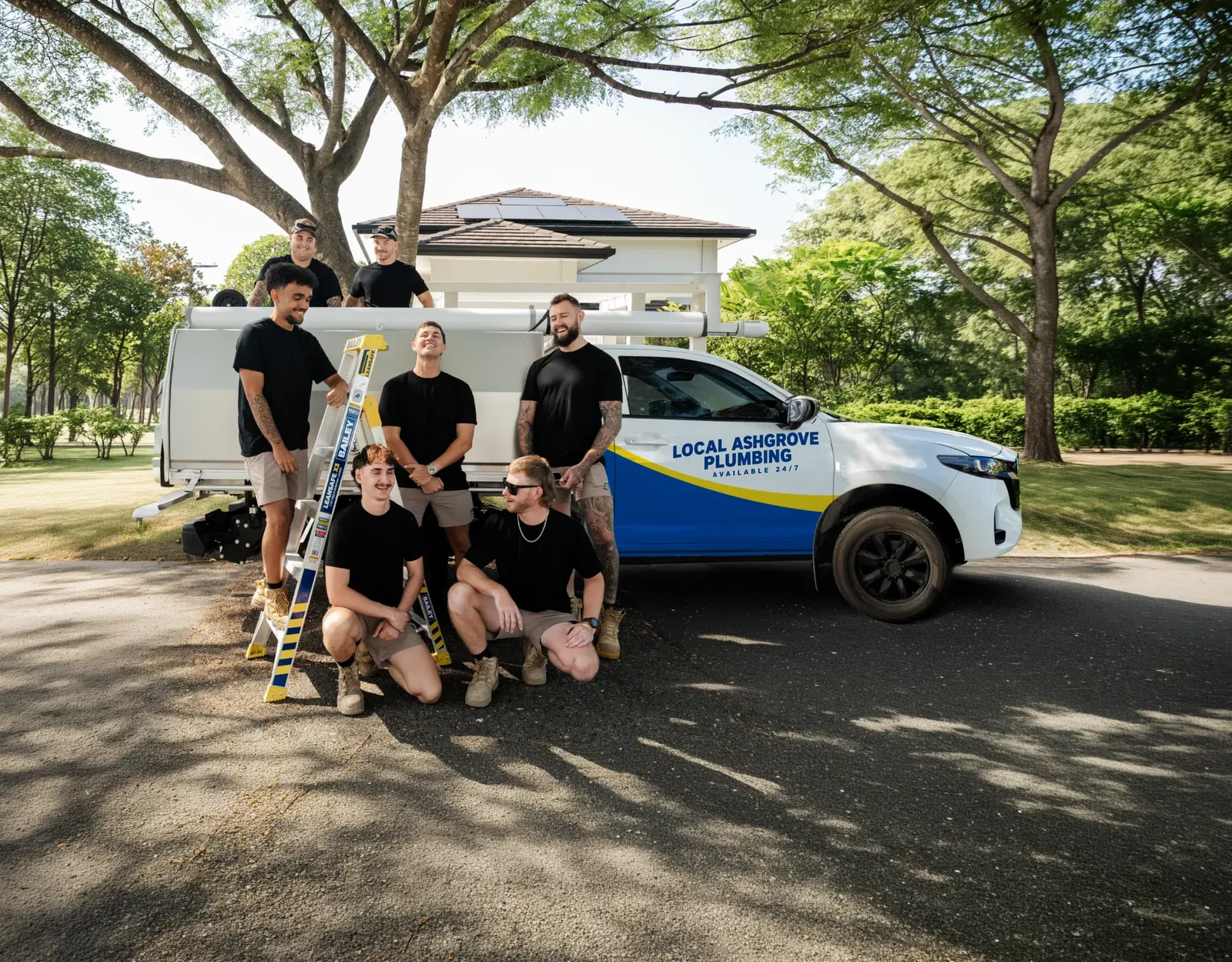
A gas leak is a licensed gasfitter's job from the first minute: repairing a gas system is gas work under Queensland law, and so is testing one. Local Ashgrove Plumbing covers gas leak repair in Ashgrove and the streets around it, and every job is done by a licensed plumber. We're available 24/7, 7 days a week, with no extra charge for nights, weekends or public holidays, and $0 call-out fees.
If we're late, $100 comes off your bill

- Licensed and InsuredEvery job done by a licensed plumber. QBCC No: 15024607
- Fixed Quote FirstFlat-rate pricing, agreed before any work starts
- Lifetime Labour WarrantyBacked by our Fix-It-or-It's-Free guarantee (T&Cs apply)
- $0 Call-Out FeesNo extra charge for nights, weekends or public holidays
A gas smell indoors comes first, before any repairs. Turn the appliance off, open windows and doors, and leave every switch alone. If the smell lingers, close the gas at the meter or cylinder and ring us.
Still smelling it once the supply is closed? Call 000.
Once the system is safe, detection and repair follow the sequence below. Our gas fitting page lists every kind of gas work we take on, from cooktops to bayonets.
Testing a Gas System for Leaks
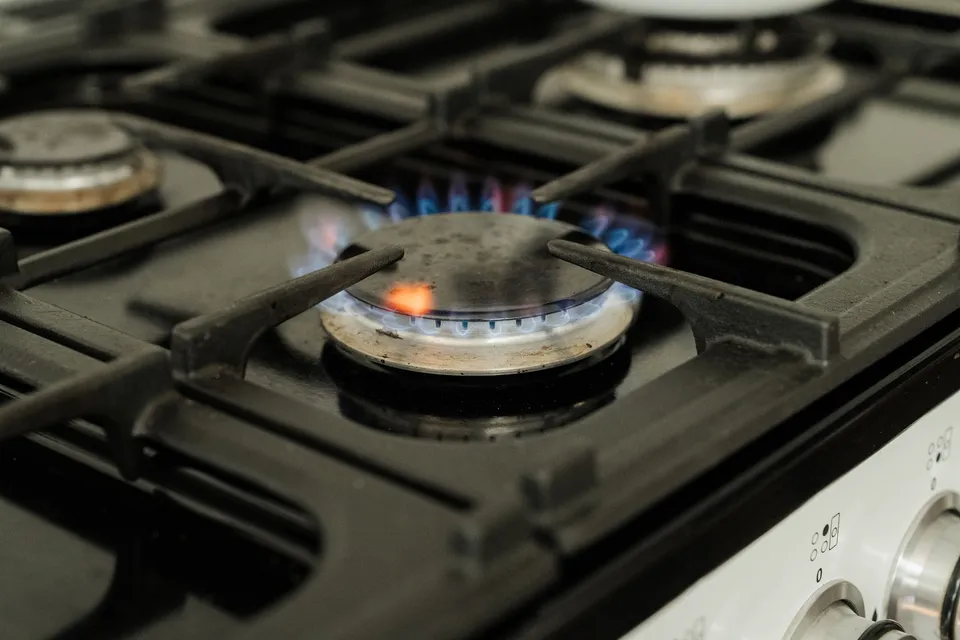
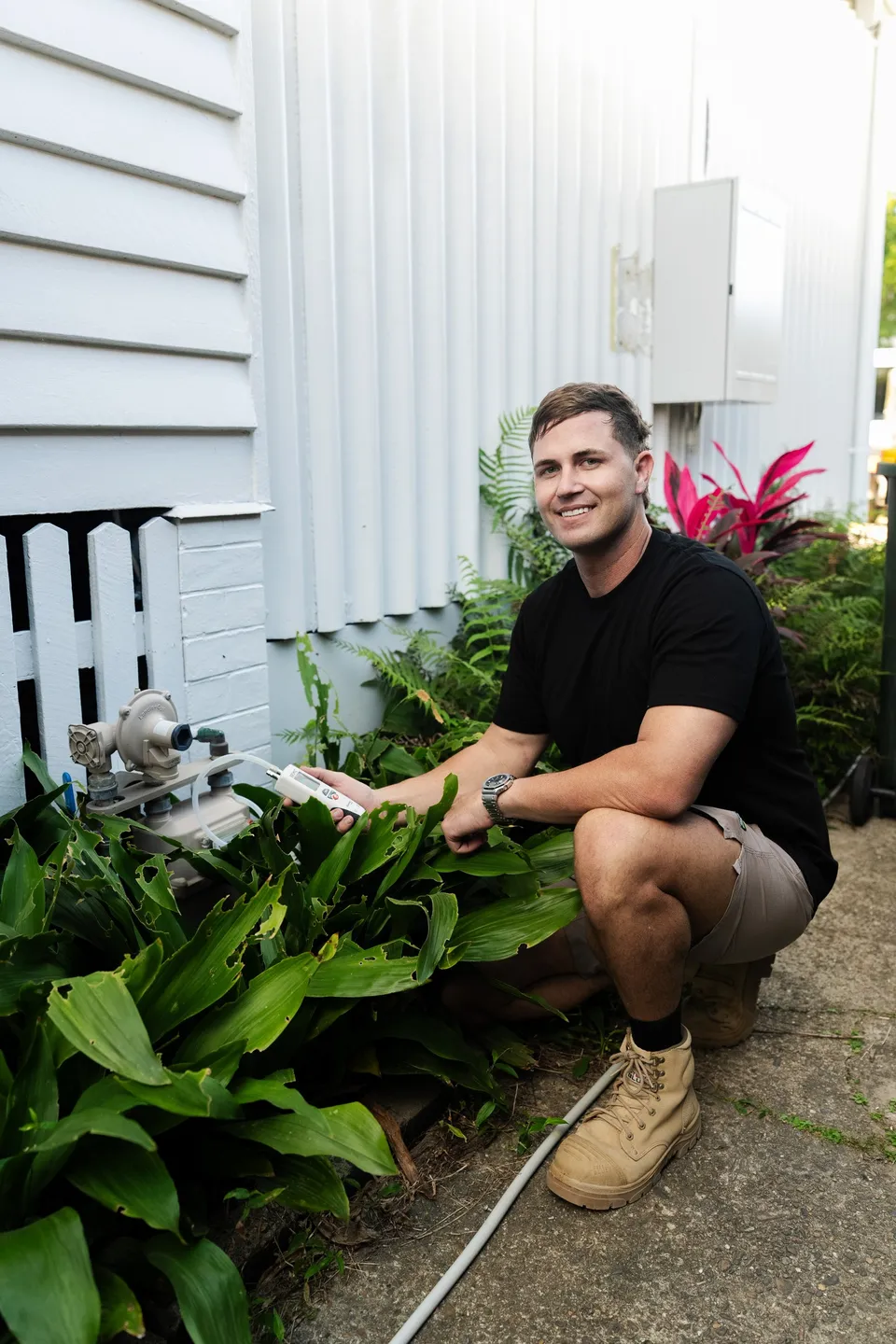
The gasfitter closes the supply, divides the pipework into sections and pressure-tests each one; whichever section drops holds the leak. A detergent check on the fittings inside that section then pinpoints the escape as bubbles.
The wider system gets a look as well. Rust, wear or damage on the pipework and the appliances gets noted, because one tired joint rarely travels alone.
The Queensland Government also publishes a check householders can run:
- Gas on, lightly spray detergent and water from the meter or bottle through to the connection point; if bubbles appear, close the supply and contact a licensed gasfitter.
Paperwork After a Gas Leak Repair
A gas leak repair can end with two documents: a defect notice for a safety concern left unfixed, or a compliance certificate where the work installs or alters a gas system.
When each one applies:
- Defect notice: a gasfitter who finds a safety concern in the system is obliged to give the owner written notice, unless the fault is put right then and there.
- Compliance certificate: issued on completion whenever gas work installs new pipework or changes the system, certifying the job complies.
- Imminent danger: if harm looks imminent, the gasfitter makes the system safe, then notifies the fuel gas network operator and Queensland's Petroleum and Gas Inspectorate.
The fine print on certificates sits on our compliance certificate rules page.
How a Gas Leak Gets Repaired
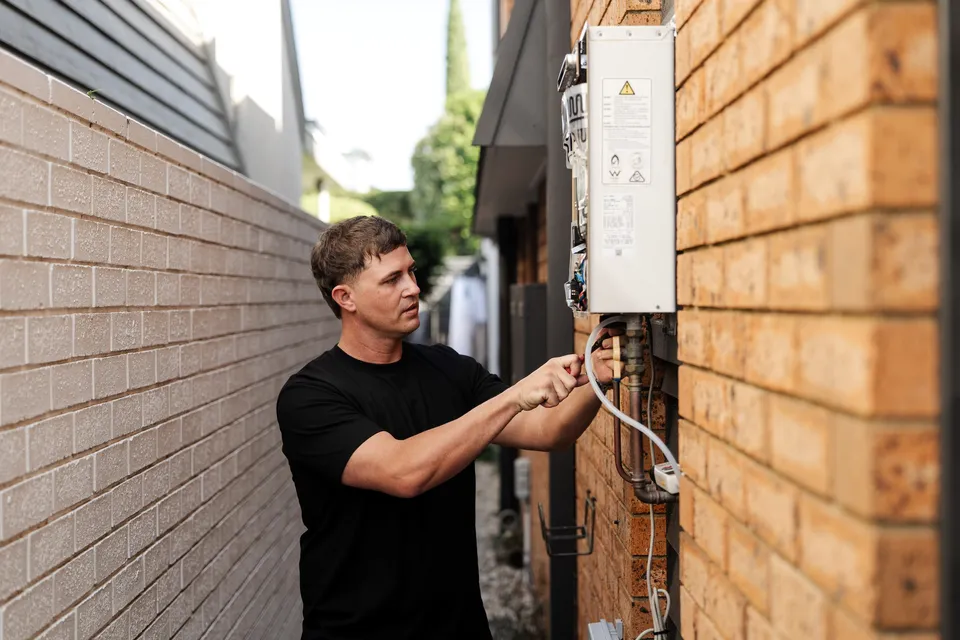
A licensed gasfitter carries out the repair, and the fault's size picks the fix: swap a fitting or regulator, renew a reachable section, or bypass an unreachable run. Once the fix is in, the whole system is retested so you know it holds before the supply returns.
The options, smallest first:
Cylinder valves are off limits to everyone except the licensed gasfitter; never attempt one yourself.
- 1

Swap the fitting or regulator
the price follows a single part and a short visit when the leak sits at one connection or a failed regulator.
- 2

Renew an accessible section
for corroded or split pipe in wall space or ground we can reach without opening finished surfaces.
- 3
Bypass an unreachable run
under slabs or inside finished walls, new pipe routed past the old line costs less than digging or stripping linings.
Plumbing job in Ashgrove?
$0 call-out fees, available 24/7, and same-day where we can.
Where Gas Leaks Usually Start
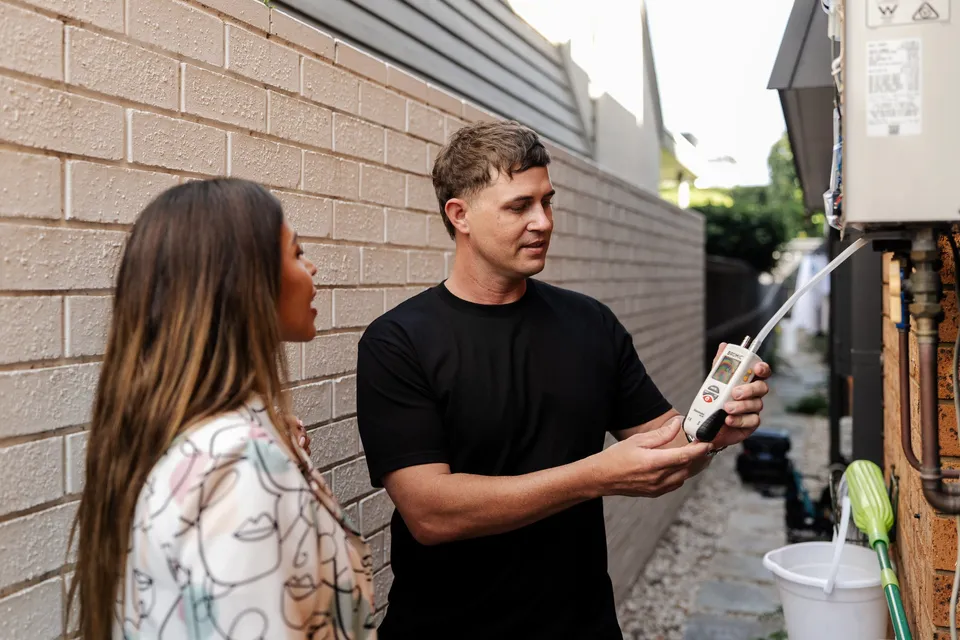
The usual leak spots start at the supply and work inward: meter or cylinder fittings first, then the regulator with its hose, the pipework joints, and the appliance connection. A safety check hunts for corrosion, wear and damage across the pipework and every appliance, because aged fittings fail in their own time.
Where escaping gas travels depends on the fuel. Natural gas is buoyant, so a leak drifts upward and clears fast outdoors. LPG is heavier than air, so it can collect in pits, drains and low corners of a room.
Fuel gas building up indoors is highly flammable, and a room filling with it can also crowd out oxygen, bringing on nausea and dizziness and, at worst, asphyxiation. That is why testing comes before any repair talk.
Ashgrove's housing mix shapes where those leak points turn up. At area level, building approvals added 176 dwellings over five years, and newer work means new regulators, hoses and joints alongside the old.
A gas point added to a pre-war house threads into walls that were never designed for it, so the connection points multiply with every renovation. From the older timber homes back from Waterworks Road to the recent builds, each added joint is one more place a system can weep.
New gas lines get tested too, and our cooktop installation page covers that side of the work.
How We Work
- 1

Call or message us
Ring (07) 3524 7137 or use the form and describe what's going on in Ashgrove. A few details up front mean the right gear comes on the first trip.
- 2

We make it safe, then trace it
With the supply closed, we test each section's pressure in turn and follow the drop to the exact joint or fitting, checking the regulator, the hose and the appliance connection before we quote the fix.
- 3
Fixed quote, then the work
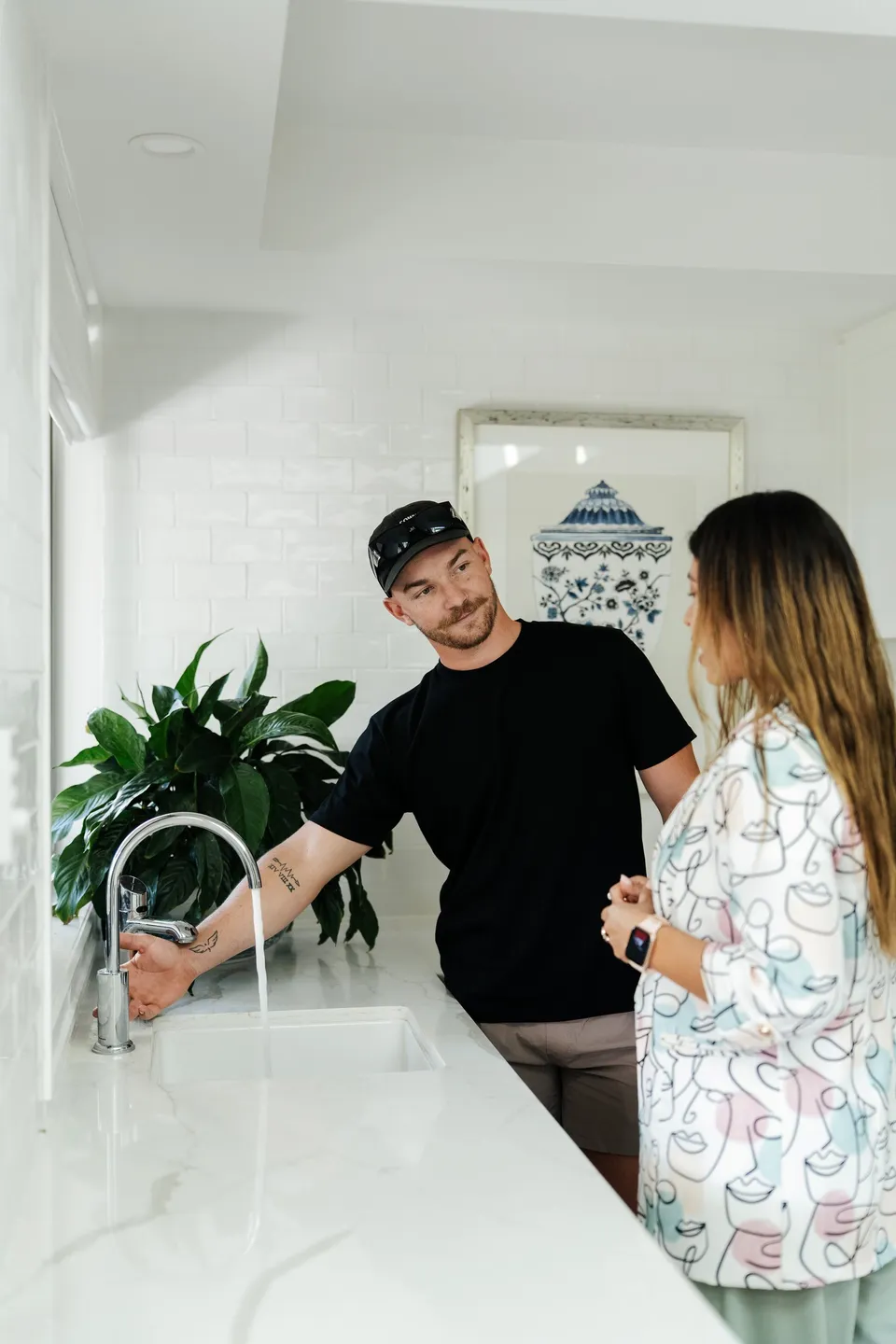
We give you a fixed quote before any work starts. It's flat-rate pricing with no hidden fees, and we only start once you approve it.
- 4
Settle up your way
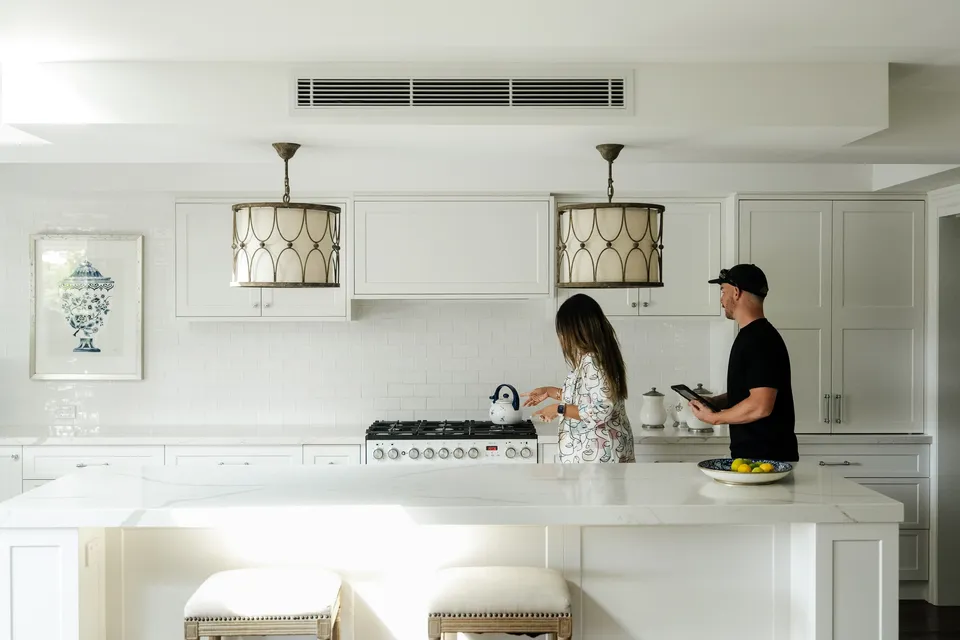
Card and EFTPOS payment on site when the job's finished, or Fix now, pay later if that suits you better.
Gas Leak Questions We Hear
Call (07) 3524 7137Is it safe to stay in a house that smells of gas?
No, get everyone out of the smell first. Put out any flames, leave switches alone, turn the appliance off and open windows and doors. If the smell hangs on, close the supply at the meter or cylinder and ring from outside; if it persists after that, call 000.
How long does a gas leak repair take in Ashgrove?
The length turns on where the leak sits and what parts it needs. A single fitting is a short job, a buried stretch takes longer, and a regulator or hose on order adds waiting. We retest before the gas returns, and the quote is fixed before any work starts.
How does a gas fitter find a gas leak?
By isolating sections and testing which one drops pressure, then confirming the exact joint with a detergent check that shows bubbles. The household spray check is a look-only step; from there the repair belongs with the licensed gasfitter.
Is a gas leak an emergency repair if I rent in Ashgrove?
Yes, a gas leak counts as an emergency repair under Queensland tenancy law, so your lessor or agent has to arrange a licensed gasfitter promptly once you report it. Put the report in writing and keep a note of when you gave it.
What should I do about gas after a storm or flood?
Call 000 straight away if you smell gas. If flood or storm damage has hit the meter, regulator or cylinders in Ashgrove, contact your gas supplier before using anything, then book a licensed gasfitter to inspect the system once it is safe.

Ring Us About Any Gas SmellWe'll call you back.
Phone (07) 3524 7137 for a licensed plumber in Ashgrove. We work under QBCC No: 15024607, with flat-rate pricing, no hidden fees and same-day where we can.
To claim your $0 call-out fee, call (07) 3524 7137 today.