Strata Plumber in Ashgrove
Whose pipe is it? Unit and townhouse plumbing turns on that one question, because a community titles scheme splits every pipe, valve and heater between the lots and the shared land, and the plan decides each piece.
If we're late, $100 comes off your bill

- Licensed and InsuredEvery job done by a licensed plumber. QBCC No: 15024607
- Fixed Quote FirstFlat-rate pricing, agreed before any work starts
- Lifetime Labour WarrantyBacked by our Fix-It-or-It's-Free guarantee (T&Cs apply)
- $0 Call-Out FeesNo extra charge for nights, weekends or public holidays
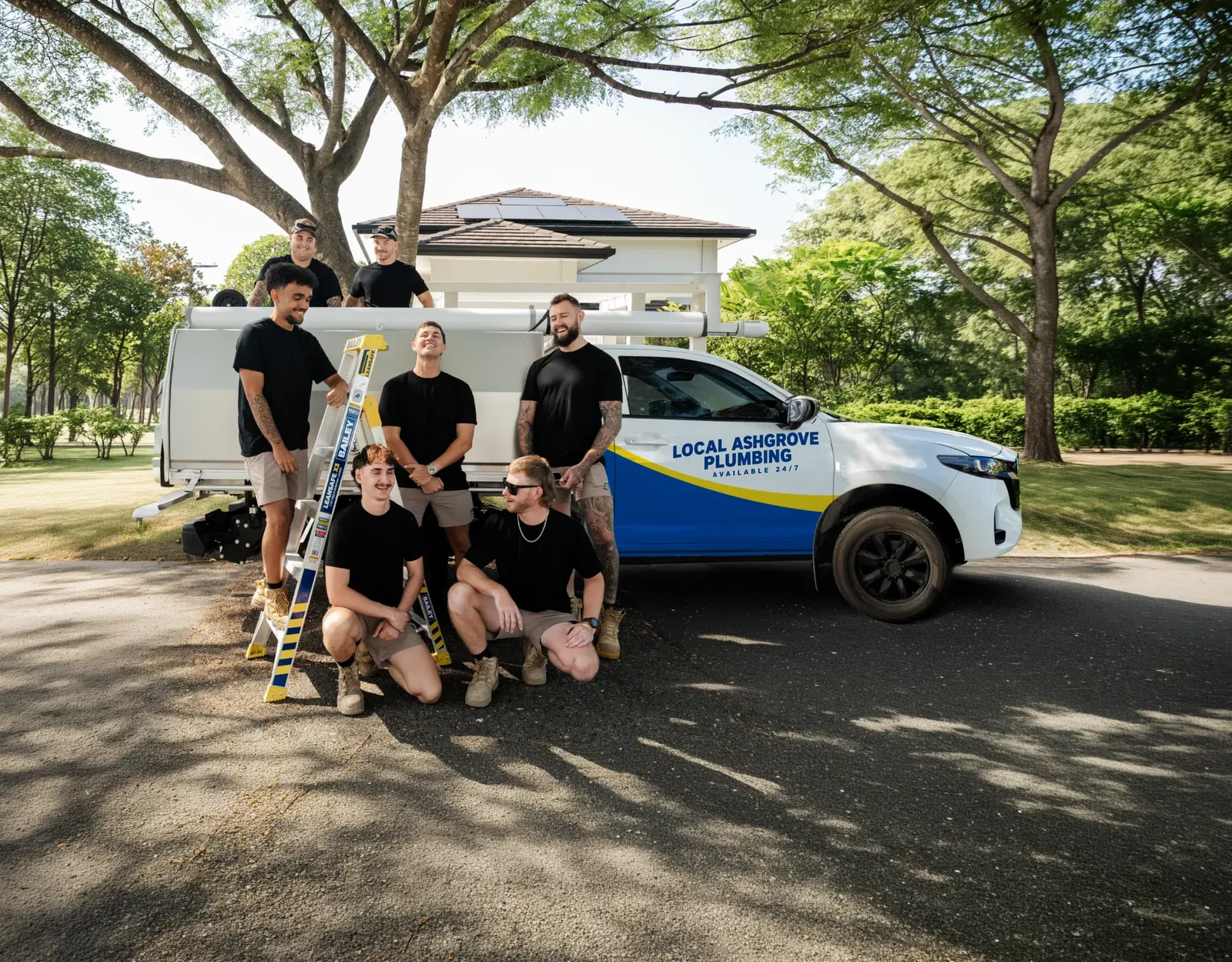
Local Ashgrove Plumbing takes the lot-side bookings: owners, occupiers and tenants fixing a fault in the place they hold, with every job done by a licensed plumber. If you searched "strata plumber Ashgrove", the guide below shows who owns what before you book, across Ashgrove and the suburbs around it.
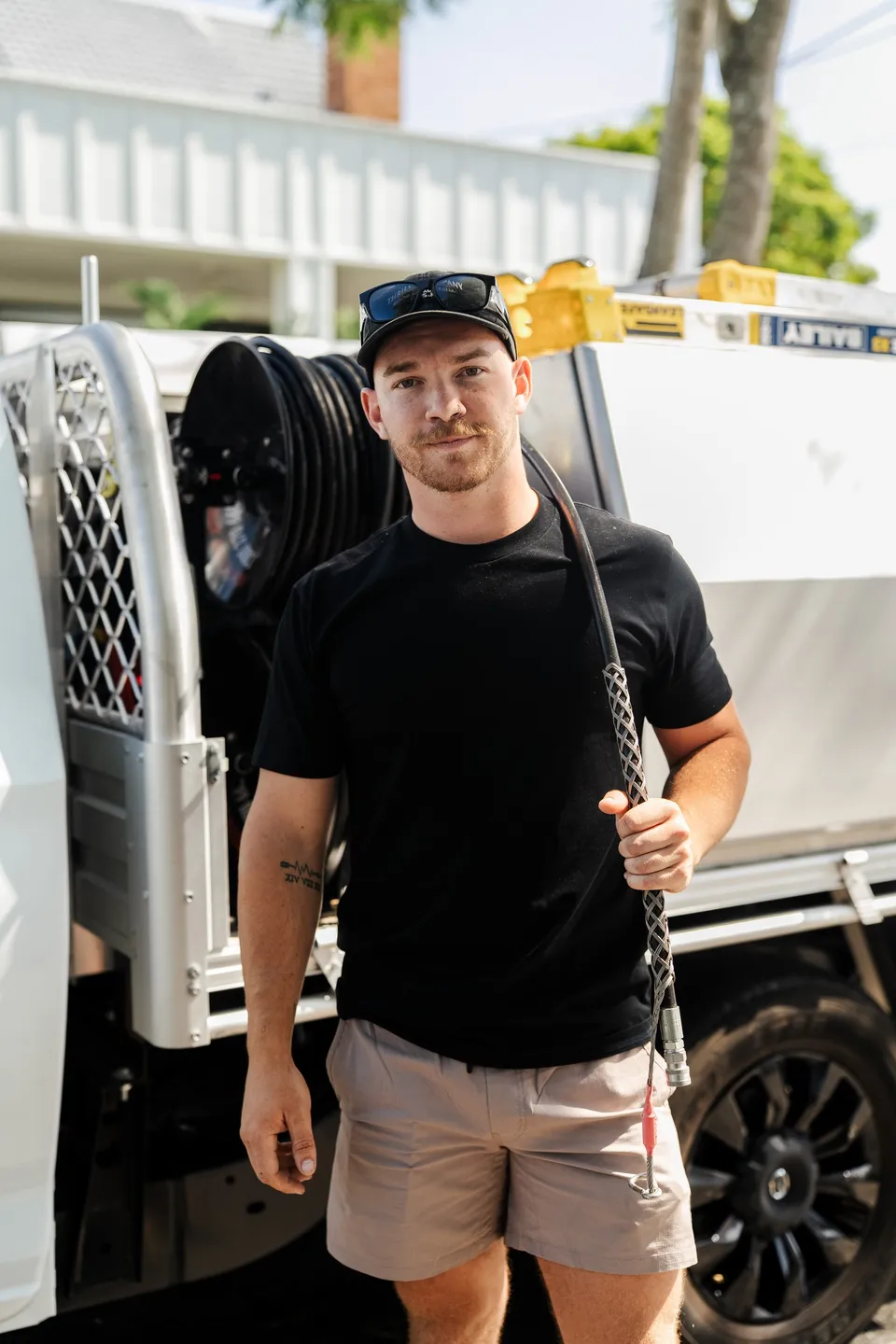
Lot Pipes or Common Property Pipes
The body corporate maintains the utility pipes that are common property, and you look after a pipe that supplies your lot alone, keeps within your boundary and steers clear of boundary walls, floors and ceilings. Your lot is the unit or townhouse you hold in the scheme. Common property is the rest of the block, and the body corporate administers that part.
Utility infrastructure covers the pipes, sewers, drains, plant and gear that bring water, gas or drainage to lots or shared land. Queensland draws the line with a three-part test, and a pipe counts as yours only where all three parts hold:
- the pipe serves a single lot and nothing else;
- the run stays inside that lot's boundaries;
- no part passes through a boundary structure for the lot.
Everything else is common property, so the body corporate maintains it. A boundary structure means a floor, a wall or a ceiling, not a false one, that marks the divide between neighbouring lots or between shared land and your lot.
Isolation Valves and Submeters
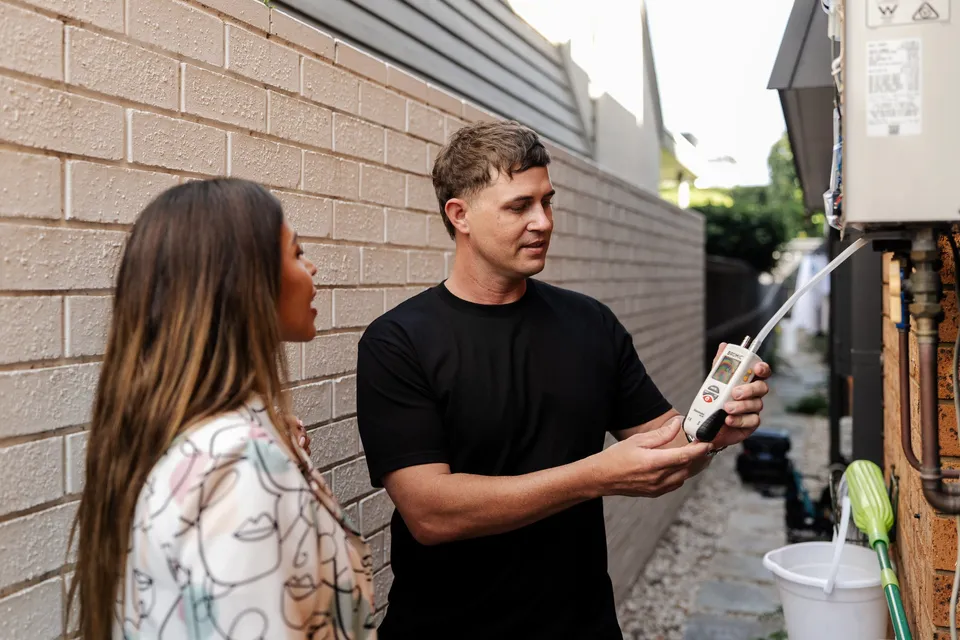
Close the isolation valve at the faulty fixture first. An isolation valve shuts the water to that one fixture and keeps every other tap running, so the unit stays live while you wait for us. The valve you close is the one at your own fixture, never a shared shut-off or common-area plant.
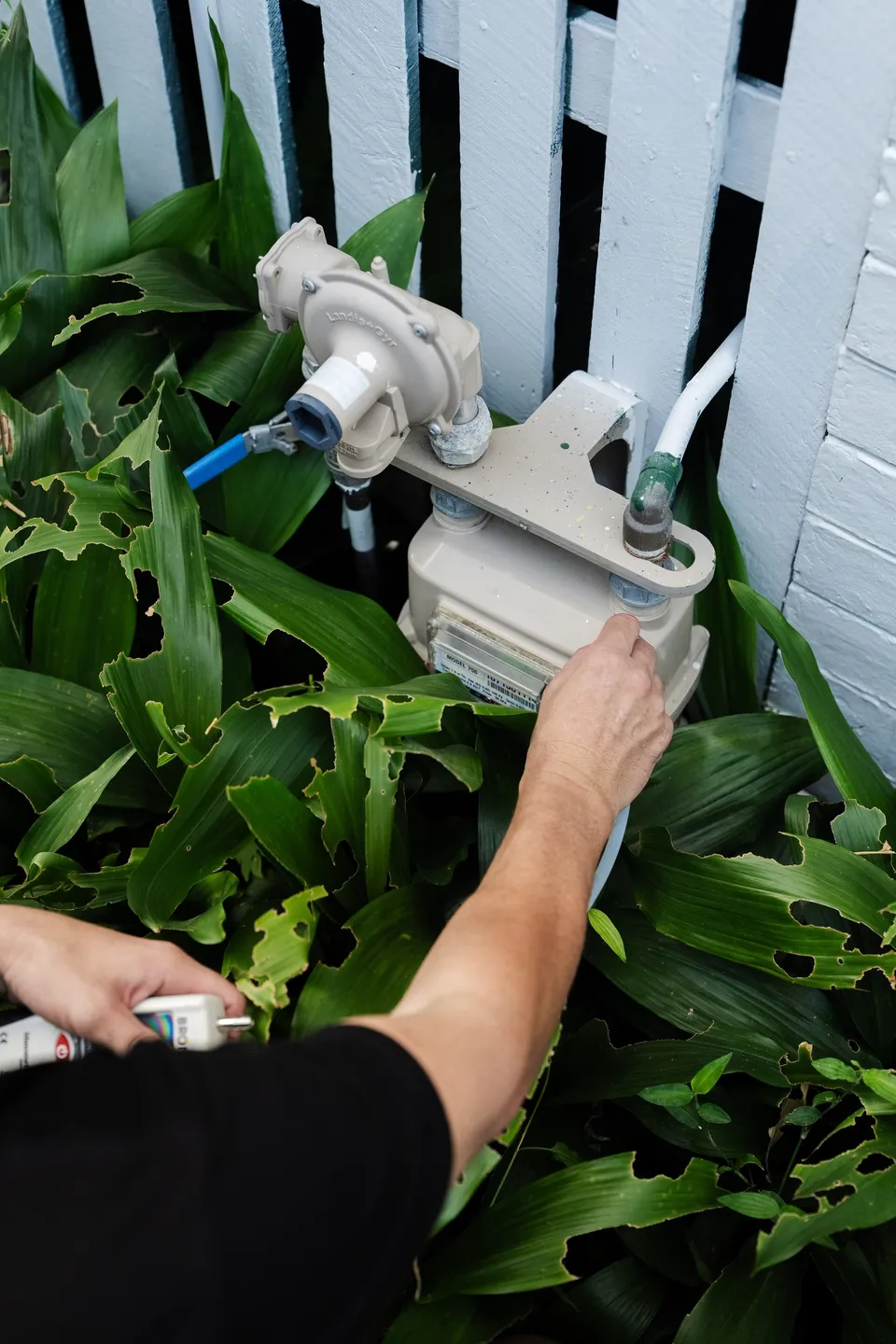
Each lot in a strata block also has a submeter, required on newly subdivided buildings since the start of 2008. The submeter sits where you can reach it, usually on common ground, never inside a unit. Urban Utilities owns and maintains the submeter once it is registered, reviewed and the new lot is formally created.
Pipework running from the master meter to each submeter, the gear around every meter up to its own isolation valves, and any meter enclosure remain the body corporate's or the building owner's. So the valve you close at home is yours, and the shared fittings stay in other hands.
Shower Trays, Hoses and Water Heaters
Leaks through a floor usually start at three fittings, and each one answers to a different owner:
- the shower tray, which the lot owner or occupier keeps sound, even if the tray itself lies beyond the lot's boundary;
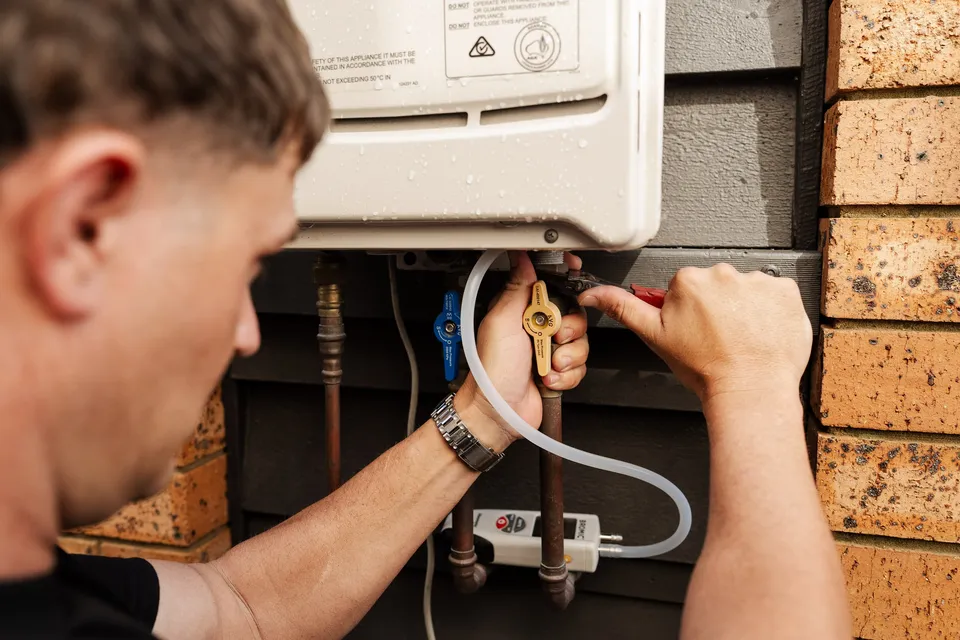
- a water heater supplying a single lot, also the owner's or occupier's, wherever it stands;
- a pipe running through a boundary structure, which is one for the body corporate instead.
The first move in each case is closing the fixture's own valve, never a shared shut-off. Flexible braided hoses under the vanity and behind the laundry fail with age, and a flexi hose replacement costs little before one splits. Stains with no visible source call for hidden leak detection before a ceiling comes apart.

Apartments Compared With Townhouses
Apartment blocks and townhouse complexes draw the ownership lines differently. In a block on a building units plan, a cold water pipe inside a boundary wall, under a floor or above a ceiling is the body corporate's to maintain. A pipe feeding your home from an internal wall stays yours.
Townhouses run on standard format plans, so any pipe carrying water to multiple lots belongs with the body corporate, and a pipe inside one lot, serving that home only, remains its owner's. One check before a unit reno: some apartment jobs are complex enough to need a local government permit, and we confirm which side of that line your job falls on. Notifiable work then finishes with a Form 4 lodged with the QBCC.
Where the Units Sit
Unit blocks in this suburb stay low and close, not stacked in towers. At the last census, Ashgrove counted 956 flats or apartments and just 90 townhouses against 3,583 detached houses, so unit work means walk-up stairs, shared ceilings and short rows.
The low-rise blocks sit scattered through the suburb, a short run from the Ashgrove West village precinct, and a leak upstairs never stays one lot's problem for long. Settle the owner question before anyone opens a wall.
How the Visit Runs
- 1

Call or message us
Ring (07) 3524 7137 or use the form and describe what's going on in Ashgrove. A few details up front mean the right gear comes on the first trip.
- 2

We check the plan and the pipe
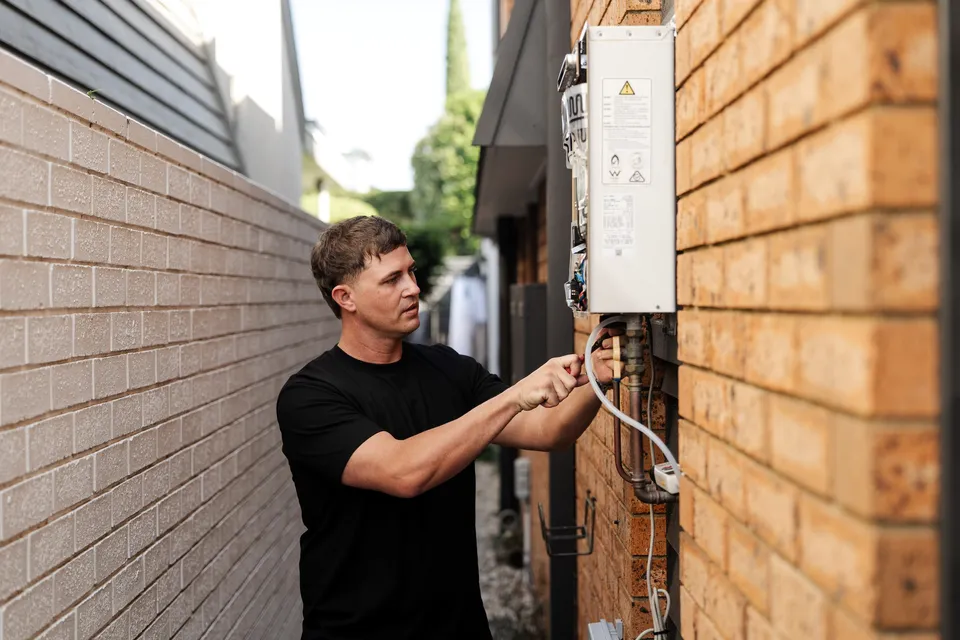
We trace the fault, then lay the pipe against the plan: inside your boundary, in a shared wall or feeding the unit next door, so the bill lands with the right party.
- 3
Fixed quote, then the work
We give you a fixed quote before any work starts. It's flat-rate pricing with no hidden fees, and we only start once you approve it.
- 4

Settle up your way
Card and EFTPOS payment on site when the job's finished, or Fix now, pay later if that suits you better.
Plumbing job in Ashgrove?
$0 call-out fees, available 24/7, and same-day where we can.
Unit and Townhouse Questions We Get
Call (07) 3524 7137Is my unit plumbing covered by the body corporate in Ashgrove?
Yes, where the pipe counts as common property. The body corporate looks after shared infrastructure, including pipes that serve several lots. A pipe serving your home alone, kept within your boundary and clear of boundary walls, remains yours to maintain.
Who fixes a burst pipe inside my Ashgrove unit wall?
The wall decides. Under a building units plan, a pipe within a boundary structure is the body corporate's responsibility, while a pipe in an internal wall feeding just your lot is yours.
Does the body corporate look after my water heater?
No, when the heater supplies only your lot. The owner or occupier arranges its upkeep wherever the heater stands, even on shared ground, so the booking sits with you.
Who is responsible for water pipes in a townhouse complex?
The pipe's reach decides. A water pipe shared by more than one lot goes to the body corporate, while a pipe inside your own boundary, serving your place only, stays with you.
Can I call my own plumber for a leak in my unit?
Yes, for any pipe the three-part test makes yours. Shared pipes are the body corporate's to repair, and the plan sorts which is which. A licensed plumber handles the fix either way.

Book Your Unit or Townhouse VisitWe'll call you back.
Unit and townhouse owners book the same way detached-house owners do, and tenants ring with the landlord's details on hand. We work the lots, the shared walls around them and the short rows across the suburb.
Phone (07) 3524 7137 for a licensed plumber in Ashgrove. We work under QBCC No: 15024607, with flat-rate pricing, no hidden fees and same-day where we can.
To claim your $0 call-out fee, call (07) 3524 7137 today.